Differential Immune Responses to Extracellular and Intracellular Bacteria

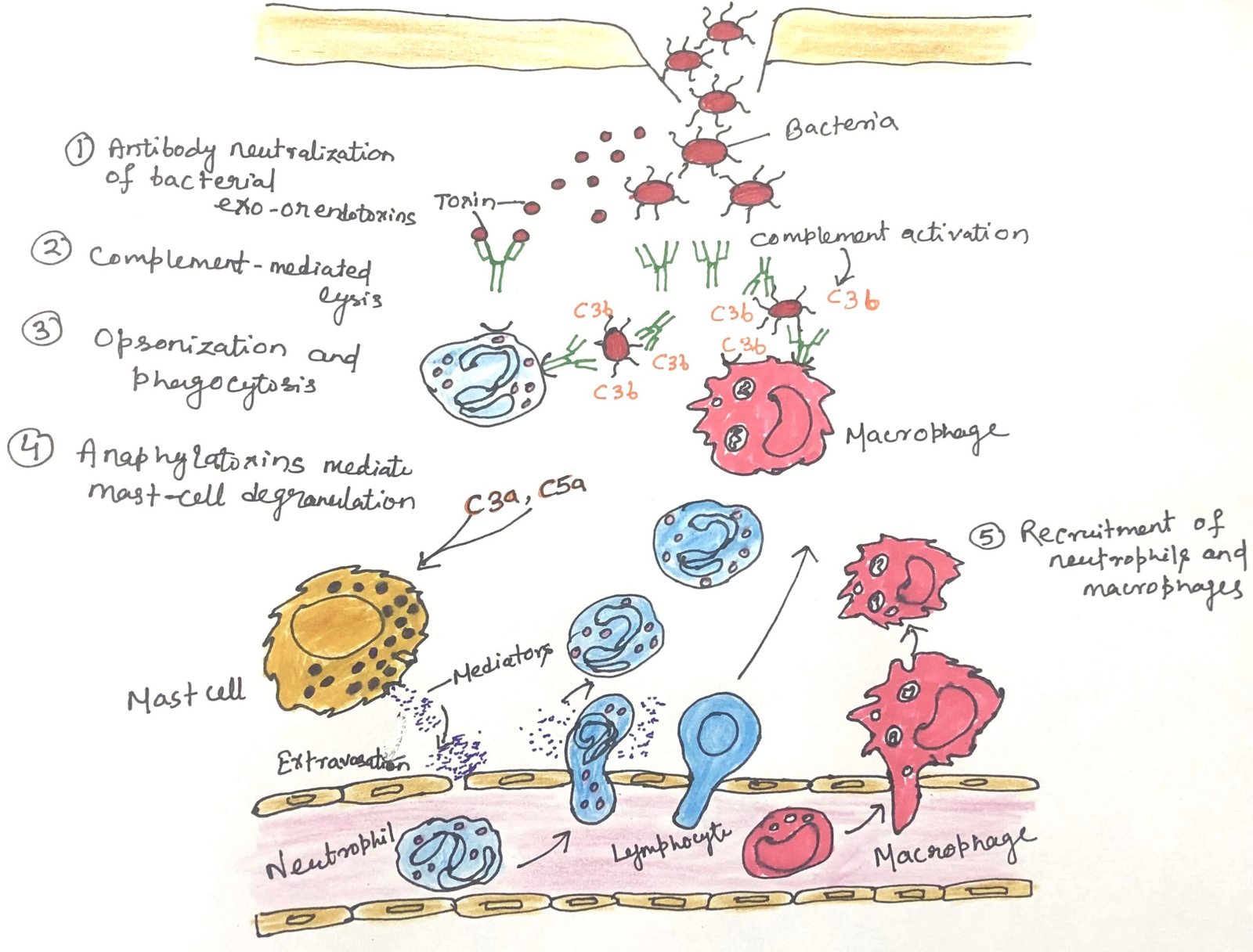
Antibody mediated mechanisms for combating infection

This article describes the fundamental differences between the immune responses mounted against extracellular and intracellular bacterial pathogens. The immune system employs distinct defense strategies depending on the location and lifestyle of the invading bacteria, ensuring their effective recognition, containment, and elimination. While extracellular bacteria are primarily targeted by antibody-mediated mechanisms, intracellular bacteria require robust cell-mediated … Read more >>

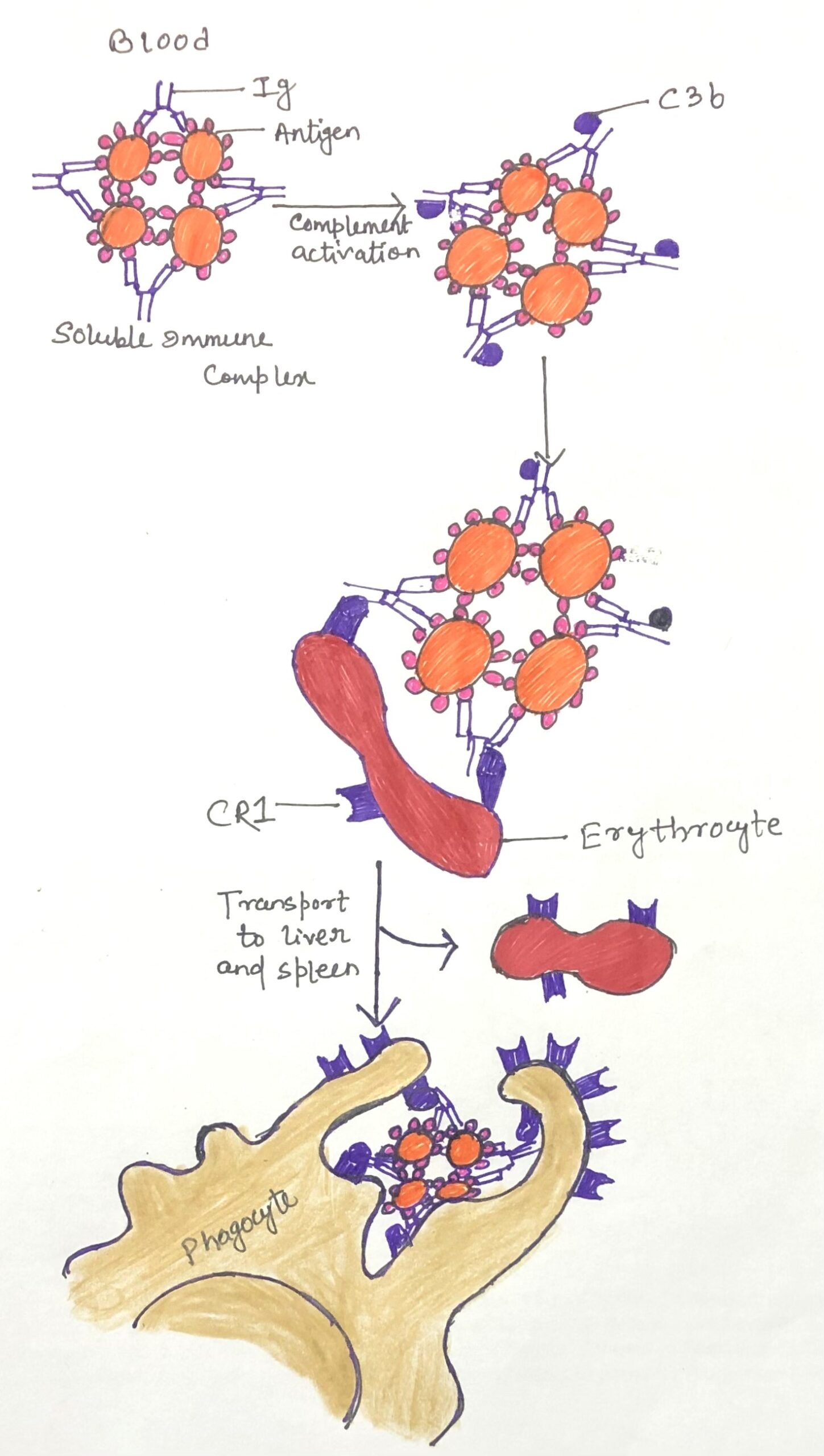
Complement as a Key Regulator of Immune Response Contraction

clearance of circulating immune complexes

This article provides a brief overview of the pivotal role of the complement system during the contraction phase of the immune response. It highlights how complement orchestrates the efficient clearance of apoptotic cells, apoptotic bodies, and immune complexes, thereby promoting the resolution of inflammation, preserving self-tolerance, and preventing the development of autoimmune diseases. The complement … Read more >>

The Role of Adipose Tissue in Fatty Acid Storage and Release

Brown adipocyte

This article briefly describes the structure, functions, and metabolic significance of adipose tissue, with particular emphasis on the storage, mobilization, and regulation of fatty acids. Adipose tissue is a specialized connective tissue that plays a fundamental role in maintaining the body’s energy balance. It stores excess energy in the form of triacylglycerols and releases fatty … Read more >>

Genetic Alterations That Remove the Brakes on Cell Division

development of colorectal cancer

This article briefly describes the roles of tumor suppressor genes, stability genes, and the accumulation of genetic mutations in the initiation and progression of cancer. Cancer is a genetic disease that arises when normal mechanisms controlling cell growth and division become disrupted. Mutations in specific genes can alter cellular functions, allowing abnormal cells to multiply … Read more >>

Proteolytic Zymogen Cascade in Blood Coagulation

The coagulation cascades

This article describes the molecular mechanisms underlying the proteolytic zymogen cascade that governs blood coagulation. Blood coagulation is an essential physiological process that protects the body from excessive blood loss following vascular injury. This highly regulated mechanism is driven by a cascade of proteolytic reactions in which inactive zymogens are sequentially converted into active enzymes, … Read more >>

Endosymbiotic Origin of Chloroplasts

dual-roles-of-cytb6f-and-cyt-c6

This article describes the endosymbiotic origin of chloroplasts and the evolutionary events that led to their formation. It highlights the evidence linking chloroplasts to ancient photosynthetic bacteria and discusses the evolution of photosynthetic mechanisms in microorganisms. These findings offer valuable insights into the evolution of eukaryotic cells and the emergence of photosynthetic life. Cellular Evidence … Read more >>

Direct Quantification of Bacterial Growth Using Cell Count and Cell Mass

plate count technique

This article gives a brief description of the direct quantification of bacterial growth using cell count and cell mass. Quantitative measurement of bacterial growth is essential for studying microbial populations and their behaviour under different conditions. Various direct methods are used to estimate bacterial growth by determining either the number of cells or the total … Read more >>

Lectins as Molecular Interpreters of the Sugar Code

Role of oligosaccharides

This article briefly describes how lectins function as key mediators of biological processes by recognizing and interpreting the cellular “sugar code.” It outlines the role of lectin–carbohydrate interactions in regulating hormone circulation, immune cell trafficking, pathogen recognition, and intracellular protein targeting. The article also highlights the involvement of lectins in major diseases and their growing … Read more >>

Pathogenic Clostridium Species and Their Role in Human Diseases

Clostridium botulinum

This article provides an overview of the medically important Clostridium species and their impact on human health. It explains how these anaerobic, spore-forming bacteria produce potent toxins that lead to serious diseases. The major infections include tetanus, gas gangrene, botulism, food poisoning, and antibiotic-associated colitis. The genus Clostridium Clostridium is a genus of Gram-positive, rod-shaped, … Read more >>

Aerobic Gram Negative Rods as Human Pathogens

Pseudomonas aeruginosa

This article briefly describes aerobic gram-negative rods as human pathogens, explaining their characteristics, major genera, disease-causing mechanisms, and their importance in diagnosis, treatment, and prevention of infections. Aerobic gram-negative rods form a diverse group of bacteria capable of surviving in oxygen-rich environments and causing a wide range of human infections. Key genera such as Pseudomonas, … Read more >>